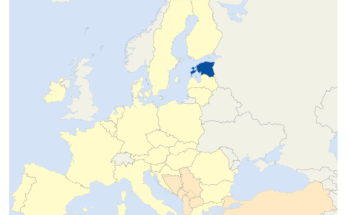
Estonia has become one of the world’s most digitally advanced nations. Through its e-Residency program, Estonia allows global entrepreneurs to establish and manage an EU-based company completely online. Since its launch in 2014, it has attracted freelancers, consultants, and digital businesses from more than 170 countries.
This guide provides a simple, clear, and practical overview of how the program works, including steps, advantages, and possible limitations you should consider before applying.
What Is the Estonian e-Residency Program?
Estonian e-Residency is a government-backed digital identity that allows non-residents to:
- Access Estonia’s digital business environment
- Register a company online in Estonia
- Sign documents digitally
- Manage the company remotely from anywhere in the world
It is not citizenship, tax residency, or EU residency. Instead, it is a digital tool for entrepreneurs who want access to an EU business platform.
Step-by-Step Guide: How to Apply for Estonian e-Residency (2026)
Step 1: Prepare Your Documents
You will need:
- A valid passport
- A passport-style digital photo
- A motivation statement
- Payment card for the state fee (~€100–120 depending on location)
Make sure your passport is valid for at least 6–12 months.
Step 2: Submit an Online Application
Visit the official website (e-resident.gov.ee) and fill in the application form.
You will provide:
- Personal details
- Background details
- Reason for applying
- Preferred pickup location for your e-Residency card
The process takes about 30 minutes.
Step 3: Background Check
Estonian Police and Border Guard Board reviews your application.
Typical processing time: 4–8 weeks.
They may ask for clarifications if needed.
Step 4: Collect Your e-Residency Kit
Once approved, you will receive an email.
Your e-Residency kit includes:
- Digital ID card
- USB card reader
- PIN codes
You must collect the kit in person at:
- An Estonian embassy
- A designated pickup center
Step 5: Register Your Company (Optional but Common)
With your e-Residency card, you can now register a company online. The most common type is an OÜ (Private Limited Company).
You will need:
- A company name
- A legal address in Estonia (service providers offer this)
- A contact person in Estonia (mandatory for non-residents)
- State fee (~€265)
Company formation typically takes 1–3 business days.
Step 6: Open a Business Bank Account
You can choose from:
- EU Fintech providers (Wise, Paysera, Revolut Business)
- Estonian banks (may require in-person visit depending on risk assessment)
Fintech accounts are sufficient for most online entrepreneurs.
Step 7: Start Operating Your Business Remotely
You can:
- Sign contracts digitally
- Manage the company 100% online
- Submit annual reports digitally
- File taxes online
Estonia’s digital system is built for entrepreneurs who value speed, transparency, and automation.
Key Benefits of Estonian e-Residency for Global Entrepreneurs
1. Fully Digital Business Management
Everything — from company incorporation to tax filing — is online. No physical presence required.
2. Access to the EU Market
e-Residency allows you to operate a business legally inside the European Union, which is helpful for:
- Working with EU clients
- Receiving EU payments
- Accessing EU business services
3. Transparent and Simple Tax System
Estonia offers:
- 0% corporate tax on reinvested profits
- Tax is payable only when distributing dividends
- Clear reporting requirements
This system supports reinvestment and long-term growth.
4. Global Location Independence
You can manage your EU company from anywhere:
- Pakistan
- UAE
- India
- Africa
- Or anywhere you travel
Perfect for freelancers, consultants, remote teams, and digital-first startups.
5. Strong Digital Infrastructure and Security
Estonia uses secure digital identity technology backed by the government.
You can digitally sign:
- Invoices
- Contracts
- Annual reports
- Corporate resolutions
This saves significant time and reduces paperwork.
Limitations and Considerations of e-Residency
Although powerful, the program is not perfect. Here are its limitations:
1. e-Residency Is Not Tax Residency
Having e-Residency does not mean you pay tax only in Estonia.
You must consider:
- Your home country tax laws
- Where your business activities occur
- Where your clients are
A professional accountant may be required for compliance.
2. Not a Work Visa or EU Residency
e-Residency:
does not give the right to live in Estonia
does not give EU citizenship
does not give EU residency or travel rights
It is only a digital identity.
3. Banking Can Sometimes Require Extra Steps
Some businesses may need:
- Additional verification
- Higher compliance checks
- In-person banking identity checks for high-risk industries
Fintech options usually solve the problem, but not always.
4. Local Presence Requirements for Non-Residents
If you are not located in Estonia, you must have:
- A legal address
- A contact person in Estonia (for official communication)
These services are provided by licensed agencies for an annual fee.
5. Not Suitable for Every Business Model
Businesses involving:
- Physical inventory
- EU-based employees
- Regulated industries
- High-risk financial services
…may require additional local compliance or may not be suitable under e-Residency.
Is Estonia’s e-Residency Right for You?
You should consider e-Residency if you are:
- A freelancer or consultant
- A digital service provider
- A remote startup founder
- A software or IT entrepreneur
- Someone who sells services (not physical goods)
If you want a simple, transparent, and digital EU company structure, Estonia is one of the best options in the world.
Conclusion
The Estonian e-Residency program is a groundbreaking initiative that empowers global entrepreneurs to access the EU business environment with ease. Its fully digital system, favorable tax structure, and global accessibility make it an excellent choice for many remote businesses and startups in 2026.
However, applicants should evaluate their business model, tax obligations, and local regulations before applying.
Sources: e-Estonia
Disclaimer
This article is for informational purposes only and does not constitute legal, financial, or professional advice. Readers are encouraged to exercise prudence, research independently, and assess on-ground conditions or consult a qualified professional before making any decisions regarding company registration or taxation.